
Blockchain
5 months ago
Why EV Battery Passports Are Critical for the Future of Sustainable Electric Mobility
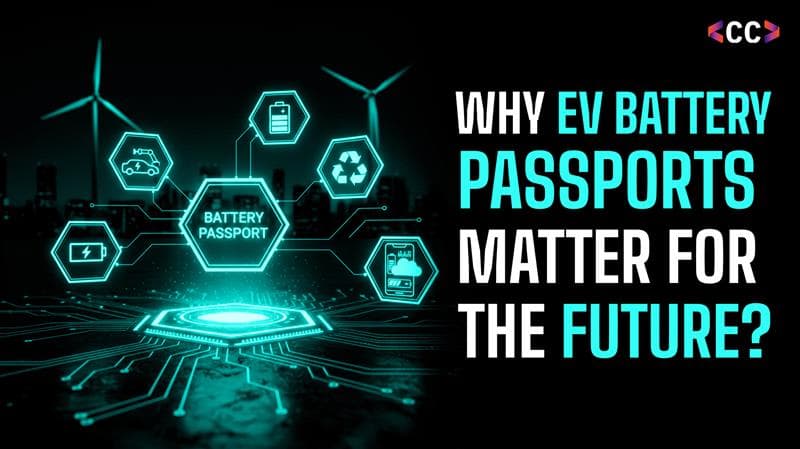
The global EV ecosystem is undergoing a massive shift toward transparency, responsible sourcing, and lifecycle accountability. At the center of this transition lies the EV Battery Passport, a powerful digital solution reshaping how electric vehicle batteries are traced, managed, and recycled. As governments enforce stricter regulations and consumers demand sustainability, battery passports are becoming a non-negotiable component of the EV value chain.
For companies building future-ready mobility solutions, organizations like ChainCode Consulting are playing a pivotal role by developing blockchain-enabled digital passport systems that drive transparency and regulatory compliance.
What Is an EV Battery Passport? A Clear Breakdown of Its Purpose and Importance
An EV Battery Passport is a digital identity assigned to each electric vehicle battery, containing detailed information such as:
- Raw material sources
- Manufacturing origins
- Chemical composition
- Performance metrics
- Repair, reuse, and recycling history
Think of it as a “digital Aadhaar card” for EV batteries—verifiable, transparent, and accessible across the value chain.
Why it matters
As EV adoption accelerates, stakeholders increasingly need battery data transparency to ensure:
- Ethical sourcing
- Safer batteries
- Efficient recycling
- Environmental compliance
A digital battery passport ensures accountability across the entire lifecycle, ushering in a more transparent and trustworthy EV ecosystem.
For a deeper understanding, explore real-world implementation in this case study:
EV Battery Passport Case Study by ChainCode Consulting
How Global Regulations Are Accelerating EV Battery Passport Adoption
Governments, especially in the EU, are driving this transformation. The EU Battery Regulation (2023) mandates that all EV batteries entering the European market must have a digital battery passport by 2027.
These regulations promote:
- Mandatory traceability from raw materials to end-of-life
- Sustainability benchmarks for carbon footprint reporting
- Standardized compliance across geographies
- Responsible recycling and reuse
Countries outside the EU are developing similar frameworks to harmonize battery standards globally.
For OEMs and battery manufacturers, compliance is no longer optional. It is essential to maintain global competitiveness.
This is where blockchain-based EV battery passport solutions—like those developed by ChainCode Consulting—enable seamless, regulation-ready implementation.
Top Benefits of EV Battery Passports for Manufacturers, Regulators, and Consumers
EV Battery Passports bring tremendous value to every stakeholder in the electric mobility ecosystem.
✔ For Manufacturers
- Simplifies regulatory compliance
- Enables efficient battery lifecycle management
- Helps optimize recycling and materials recovery
- Builds trust with eco-conscious customers
✔ For Consumers
- Transparent battery history = more informed purchases
- Insights into ethical sourcing
- Trust in the vehicle’s performance and sustainability
✔ For Regulators
- Real-time data access
- Standardized reporting
- Verified environmental impact assessments
The result is a more responsible, traceable, and consumer-friendly EV marketplace.
How Battery Passports Strengthen Sustainability and the Circular Economy
Battery passports do more than track data—they drive significant environmental progress.
1. Lower Carbon Footprints
Clear insights into sourcing and production highlight inefficiencies and emission-heavy processes that must be improved.
2. Responsible Supply Chain Practices
Passport data ensures that raw materials like lithium, cobalt, and nickel come from ethical and compliant sources.
3. Efficient End-of-Life Battery Management
Recyclers gain immediate access to details such as:
- Material composition
- Safe extraction processes
- Suitability for reuse or second-life applications
This helps high-value materials flow back into production cycles, supporting a circular economy in the automotive sector.
The Technology Powering EV Battery Passports: Blockchain, IoT, and Smart Data Platforms
Battery passports rely on robust digital infrastructure to ensure data integrity and trust.
Key technologies include:
✔ Blockchain for Tamper-Proof Traceability
Blockchain ensures every battery-related event—manufacture, transport, repair, recycling—is recorded permanently and transparently.
✔ IoT Sensors for Real-Time Data Capture
Smart sensors gather live insights on temperature, charge cycles, performance, and more.
✔ Digital Product Passport Platforms
Secure portals allow authorized parties—manufacturers, regulators, recyclers—to access battery information instantly.
This mix of technologies builds a future where EV batteries are fully traceable, secure, and optimized for long-term sustainability.
ChainCode Consulting’s blockchain-led battery passport frameworks exemplify how modern tech can support regulation-ready, scalable implementations.
EV Battery Passports Are the Foundation of a Greener, Smarter Automotive Future
The transition to electric mobility requires transparency, accountability, and sustainability—exactly what the EV Battery Passport delivers.
Its adoption ensures:
- Responsible sourcing
- Verified lifecycle data
- Efficient recycling
- Consumer trust
- Stronger global compliance
As regulatory frameworks tighten and global demand for EVs skyrockets, battery passports will become central to accelerating sustainable transportation.
Forward-looking organizations must adopt this technology today. With digital innovations led by blockchain and IoT—and implementation partners like ChainCode Consulting—battery passports are set to transform the EV industry for generations.