
Blockchain
1 month ago
What Are Tokenized Assets? A Complete Guide to Real-World Asset Tokenization in 2026
Why Tokenized Assets Are Transforming Global Finance
If you’ve searched for “what are tokenized assets”, “real-world asset tokenization explained”, or “how to invest in tokenized real estate”, you’re witnessing one of the most significant shifts in modern finance.
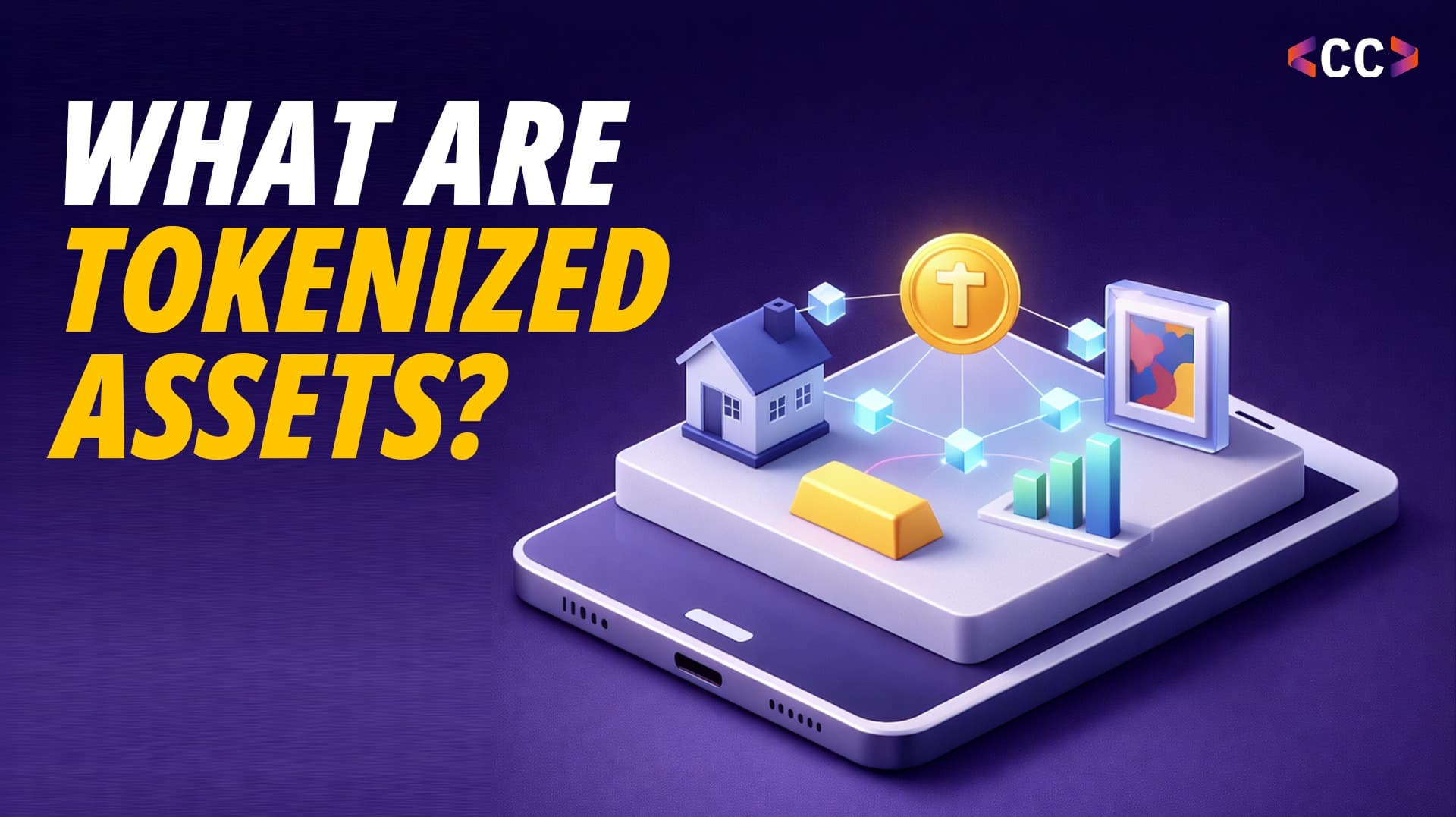
Tokenized assets represent real-world assets such as real estate, commodities, equities, or art converted into digital tokens on a blockchain. These blockchain-based tokens are asset-backed, secure, traceable, and easily transferable across decentralized networks.
Unlike traditional ownership models, tokenization enables fractional ownership, allowing investors to purchase small portions of high-value assets. This lowers capital barriers and unlocks liquidity in markets that were historically illiquid.
With enterprise-grade blockchain frameworks powering this shift, firms like ChainCode Consulting are helping businesses design secure, compliant asset tokenization platforms built for scalability and regulatory alignment.
How Asset Tokenization Works: From Physical Asset to Blockchain Token
Understanding the tokenization process is essential for investors and enterprises exploring digital asset investment platforms.
Here’s how it works:
- Asset Identification & Legal Structuring – A physical or financial asset is legally structured for digital representation.
- Token Creation on Blockchain – Digital tokens representing ownership rights are issued on a blockchain network such as Ethereum.
- Smart Contract Deployment – Smart contracts automate ownership transfers, dividends, compliance checks, and governance.
- Marketplace Listing – Tokens are listed on regulated digital asset exchanges for buying, selling, or trading.
Blockchain’s immutable ledger ensures transparency, while smart contracts reduce administrative friction—creating a more efficient financial ecosystem.
Key Benefits of Tokenizing Real-World Assets
Businesses and investors are increasingly searching for benefits of tokenization in finance, and the advantages are substantial:
1. Increased Liquidity in Traditionally Illiquid Markets
Assets like real estate and fine art can take months to sell. Tokenization divides them into tradeable digital units, allowing fractional ownership and faster secondary market transactions.
2. Lower Barriers to Entry
Tokenized assets reduce minimum investment thresholds, democratizing access to premium asset classes. Investors no longer need substantial capital to enter high-value markets.
3. Transparent and Secure Transactions
Blockchain records every transaction permanently and immutably, minimizing fraud risks and enhancing auditability.
4. Global Investment Accessibility
Digital asset tokens can be traded internationally without the friction of traditional cross-border banking systems.
5. Automated Compliance and Governance
Through smart contracts, compliance rules such as KYC/AML checks can be embedded directly into token transactions, ensuring regulatory adherence.
Types of Tokenized Assets: Beyond Just Real Estate
The tokenized asset market is expanding rapidly. Here are the most popular categories:
Real Estate Tokenization
Investors can purchase fractional shares in commercial or residential properties, unlocking liquidity in one of the world’s largest asset classes.
Art & Collectibles
High-value artwork can be divided into digital shares, making elite art investments accessible to a broader investor base.
Commodities on Blockchain
Physical commodities like gold and oil are being tokenized to simplify trading and settlement.
Equity & Security Tokens
Companies can issue security tokens representing shares, compliant with financial regulations and tradable on digital exchanges.
NFTs vs. Tokenized Assets
While NFTs represent unique, non-fungible digital items, tokenized assets typically represent divisible ownership in tangible or financial assets.
Emerging ecosystems built on networks like Polkadot are further enabling cross-chain interoperability for these digital asset markets.
The Role of Blockchain Technology in Asset Tokenization
Blockchain serves as the foundational infrastructure for tokenized assets through:
- Distributed Ledger Technology (DLT) ensuring data immutabilit
- Smart Contracts automating ownership transfers
- Security Tokens representing compliant digital securities
- Transparent Ownership Records visible in real time
This combination enhances trust among investors while reducing reliance on intermediaries.
Technology partners such as ChainCode Consulting specialize in designing blockchain architectures that align tokenization strategies with enterprise performance and regulatory standards.
Legal & Regulatory Considerations for Tokenized Assets
Compliance is critical when launching or investing in tokenized assets.
SEC Guidelines & Digital Asset Classification
Regulators like the U.S. Securities and Exchange Commission may classify certain tokens as securities, requiring issuers to meet strict compliance obligations.
KYC/AML Requirements
Know Your Customer (KYC) and Anti-Money Laundering (AML) protocols must be embedded into digital asset platforms to prevent illicit activity and maintain market integrity.
Cross-Border Regulatory Alignment
Tokenized asset platforms must navigate international securities laws to operate globally.
A compliant tokenization framework ensures long-term sustainability and institutional adoption.
How to Invest in Tokenized Assets Safely
If you’re exploring how to buy tokenized assets online, follow these best practices:
- Choose regulated and reputable asset token platforms.
- Conduct due diligence on the underlying asset.
- Review whitepapers and smart contract structures.
- Diversify across asset classes.
- Understand liquidity terms and exit strategies.
Strategic planning and technical due diligence are essential before participating in digital asset markets.
Future Trends: Why Tokenized Assets Will Define the Next Financial Era
The tokenization of real-world assets (RWA) is expected to grow exponentially in the coming years, driven by:
- Institutional blockchain adoption
- Central bank digital currencies (CBDCs) integration
- AI-powered asset valuation models
- Cross-chain interoperability
- Enterprise-grade digital asset custody solutions
As blockchain infrastructure matures, tokenized assets will likely become a standard component of diversified portfolios worldwide.
The Tokenization Revolution Is Already Here
Tokenized assets are redefining ownership, liquidity, and accessibility in global finance. From real estate to commodities and equity shares, blockchain-powered asset tokenization is transforming how value is created and exchanged.
Early adopters stand to benefit the most as digital asset ecosystems evolve. Whether you’re an investor seeking new opportunities or an enterprise exploring blockchain innovation, now is the time to understand and embrace this financial transformation.
With the right strategy, compliance framework, and technology foundation, tokenized assets are not just a trend—they are the future of finance.