Blockchain
5 months ago
Web2 vs Web3 Explained: Why the Internet’s Next Big Shift Matters More Than Ever
Rethinking the Internet: What Web2 Really Is and Why It’s Showing Its Limits
Web2—the era that gave rise to interactive platforms, user-generated content, and social connectivity—transformed the internet from a static library into a dynamic, collaborative space. This “read-write” model powers today’s biggest platforms like Instagram, YouTube, and Facebook, where billions of people share content and engage in real-time.
But the Web2 ecosystem is fundamentally centralized. A handful of corporations store, control, and monetize user data. This creates major challenges around data ownership, privacy, and platform dominance, fueling concerns about how much control individuals truly have online.
As companies like ChainCode Consulting continue building decentralized solutions for enterprises and governments, the need to understand Web2’s limitations becomes even more important. Knowing how Web2 works—and where it falls short—is the first step toward embracing the next evolution of the internet.
Web3 Uncovered: The Decentralized Internet Designed for Ownership & Trust
Web3 introduces a groundbreaking shift toward a user-owned, blockchain-powered internet. Instead of centralized servers, Web3 uses distributed networks where users control their identity, assets, and interactions.
This new model is built on:
- Blockchain technology for transparent and tamper-proof data
- Smart contracts that automate processes without intermediaries
- Cryptocurrencies enabling borderless, peer-to-peer value exchange
- Decentralized identity (DID) systems that give users full control
Companies like ChainCode Consulting are already enabling organizations to adopt these principles through blockchain development, digital identity solutions, and decentralized applications.
Web3 redefines how individuals engage online—offering privacy, autonomy, and new opportunities for digital ownership.
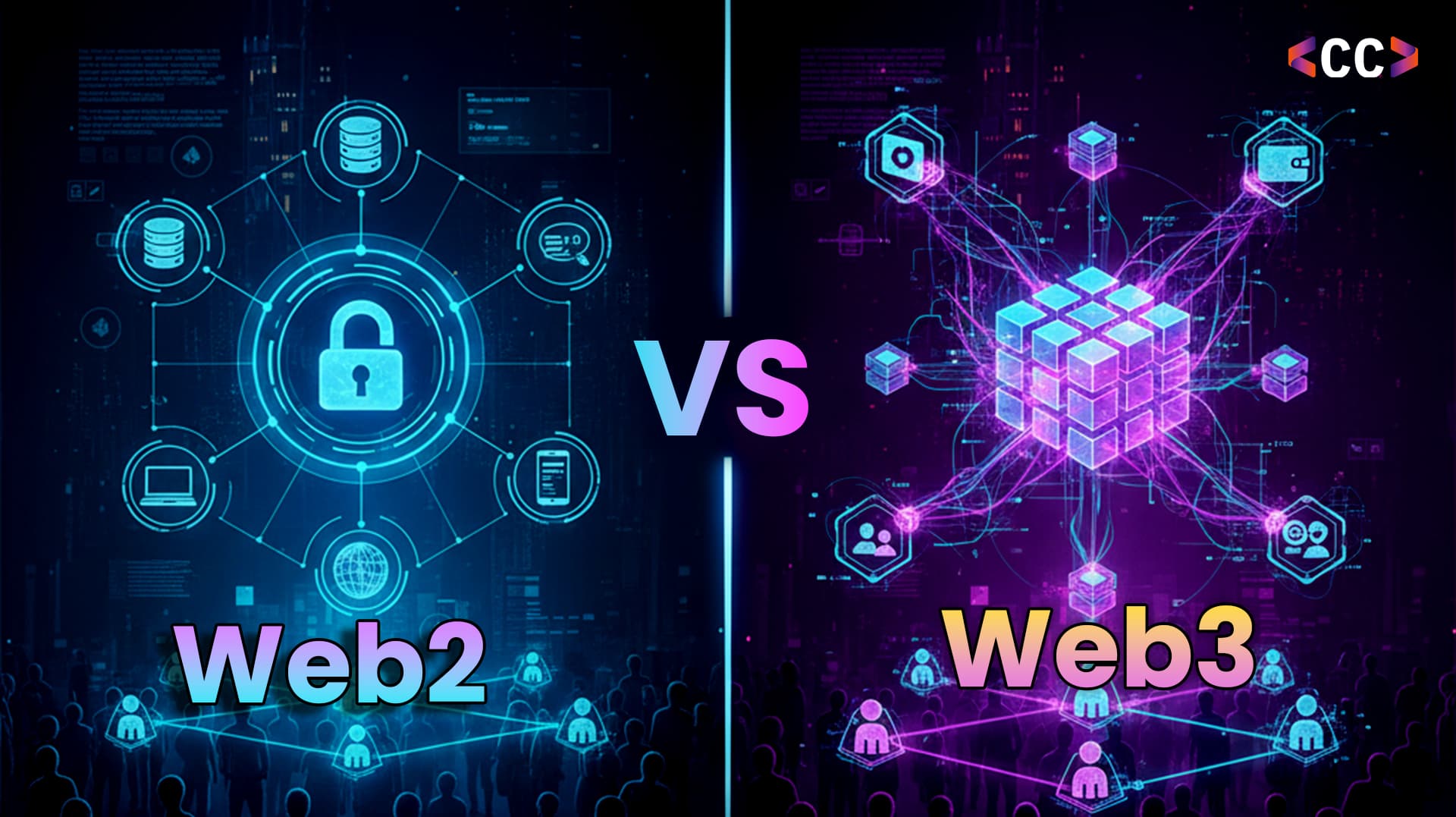
Web2 vs Web3: The Most Important Differences You Need to Know
The shift from Web2 to Web3 is driven by one core change:
centralization → decentralization
Key Differences at a Glance
- Web2: Corporations own and control user data
- Web3: Users own their data and manage access
- Web2: Platforms act as middlemen for transactions
- Web3: Peer-to-peer interactions via smart contracts
- Web2: Algorithms and decisions happen behind closed doors
- Web3: Transparency through public, auditable ledgers
This transition empowers users and reduces reliance on centralized intermediaries. ChainCode Consulting’s work with decentralized identity, NFTtrace, and smart contract development reflects how organizations are preparing for a Web3-driven future.
Why Web3 Is Better: The Advantages That Make It the Next Big Leap
Web3 offers significant improvements that Web2 simply can’t match:
1. Data Privacy You Control
Users decide who accesses their information—no more hidden data harvesting.
2. Real Digital Ownership (NFTs & Tokens)
From art to supply chain assets, Web3 ensures verifiable digital ownership without platform dependency.
3. Censorship-Resistant Platforms
Decentralized networks ensure no single entity can limit access or silence users.
4. Innovation Without Permission
Developers can build and deploy without approvals from big tech gatekeepers—unlocking limitless creativity.
These advancements create a fairer, more secure digital environment—something ChainCode Consulting actively builds through enterprise-grade blockchain solutions.
From Web2 to Web3: Real Use Cases Transforming the Digital World
The shift toward decentralization is already visible across major industries:
Decentralized Finance (DeFi)
Platforms like Aave and Uniswap allow lending, borrowing, and trading without traditional banks.
NFT Marketplaces
Creators sell directly to buyers through Web3 marketplaces, ensuring authenticity and royalties.
Decentralized Social Platforms
Tools like Lens Protocol reduce dependence on centralized services, giving users ownership of their content.
ChainCode Consulting has been helping enterprises adopt similar decentralized frameworks—especially in sectors like supply chain, identity management, and digital contracts—demonstrating how Web3 is solving real-world problems today.
Is Web2 Going Away? What the Future of the Internet Really Looks Like
Will Web3 completely replace Web2? Not immediately.
The near future will likely embrace hybrid ecosystems where Web2 interfaces merge with Web3 infrastructure. This model keeps platforms intuitive while enhancing transparency, security, and user ownership through blockchain.
Businesses working with Web3 experts like ChainCode Consulting are already preparing for this hybrid future—adopting decentralization where it brings real value while maintaining user-friendly experiences.
The next decade won’t be Web2 vs Web3—it’ll be Web2 + Web3, working together.
Why Understanding Web3 Today Prepares You for Tomorrow
The evolution from Web2 to Web3 is more than a technological shift—it’s a movement toward a digital world built on transparency, security, and user empowerment.
Whether you’re an individual protecting your data, a creator seeking ownership, or an enterprise exploring blockchain transformation, now is the time to understand Web3.
Organizations that embrace the future early—supported by partners like ChainCode Consulting—will lead the next wave of digital innovation.