
Blockchain
5 months ago
How Blockchain Is Transforming Healthcare in 2025: Innovations, Use Cases, and the Road Ahead
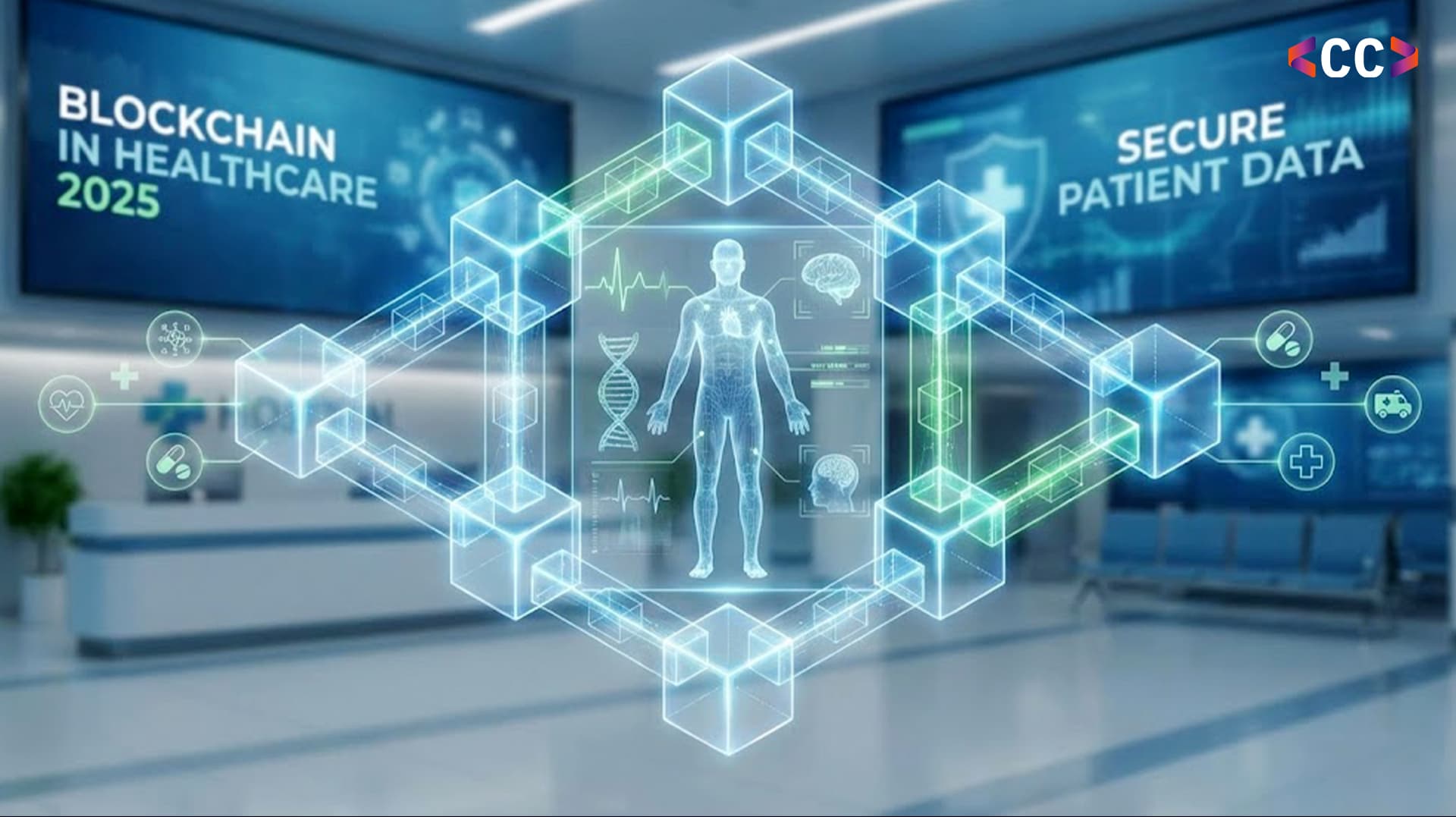
Why Healthcare Is Turning to Blockchain for Smarter, Safer Care
Healthcare systems worldwide are searching for ways to become more secure, more transparent, and more efficient. Blockchain technology is emerging as one of the most powerful tools driving this shift. By giving patients greater control over their medical data, ensuring transparent processes for providers, and reducing system-wide vulnerabilities, blockchain isn’t just supporting healthcare innovation—it is redefining how modern care is delivered.
Enterprises adopting blockchain today are laying the foundation for high-trust, data-driven healthcare ecosystems. Many forward-looking organizations collaborate with blockchain-focused technology partners such as ChainCode Consulting to explore how decentralized systems can strengthen medical operations, safeguard patient privacy, and streamline data flow across hospitals, insurers, and research institutions.
Understanding Blockchain in Healthcare: How the Technology Works
The integration of blockchain in healthcare marks a significant step forward for digital medicine. At its core, blockchain functions as a tamper-proof distributed ledger, enabling secure, permissioned access to medical records and transactions. This eliminates data silos and establishes transparent, verifiable pathways for every interaction within the healthcare ecosystem.
Core Blockchain Applications Already Making an Impact
- Decentralized patient health records
- Real-time pharmaceutical supply chain tracking
- Verified insurance claims automation
- Clinical research data recording and auditing
- Patient-controlled access to medical data
These innovations are rapidly transforming care delivery and ensuring that healthcare providers, insurers, and pharmacies operate in sync. Partners like ChainCode Consulting work with enterprises to develop compliant blockchain architectures capable of handling sensitive health data with precision and trust.
Key Benefits of Blockchain for Patients and Providers
Blockchain technology brings a range of advantages that resolve long-standing challenges in healthcare operations.
Enhanced Patient Data Security and Privacy
Blockchain encrypts patient health records, ensuring only authorized personnel can access or share data. Every update is logged immutably, eliminating the risk of hidden changes or data misuse.
Seamless Interoperability Across Healthcare Systems
Historically, patient information has been scattered across hospitals, labs, and clinics. Blockchain connects these systems into a unified, transparent health record. This enables:
• Faster diagnosis
• Reduced medical errors
• More personalized treatment decisions
Streamlined Healthcare Data Management
Smart contracts automate administrative tasks such as claims processing, appointment management, and record updates. This reduces operational burden and minimizes manual errors.
Blockchain’s ability to unify fragmented systems makes it indispensable for providers and insurers seeking efficient and trusted workflows.
Real-World Blockchain Use Cases Reshaping Healthcare
Blockchain is no longer theoretical. It is actively solving real industry problems at scale.
1. Blockchain-Based Medical Records
Decentralized health records empower patients to own and control their data while enabling providers to access accurate, up-to-date information instantly.
2. Securing Healthcare Supply Chains
Hospitals and pharmaceutical companies use blockchain to track medicines from factory to pharmacy shelves, preventing counterfeit drugs and ensuring product authenticity.
(Platforms like ChainCode’s NFTtrace for supply chain transparency demonstrate how blockchain enhances traceability across regulated industries.)
3. Drug Traceability Systems
Blockchain allows real-time visibility into the pharmaceutical lifecycle, ensuring quality control and compliance across borders.
4. Transparent Clinical Trial Management
Every step of a trial—from data capture to results—is recorded immutably, strengthening research integrity and enabling verifiable scientific progress.
5. Patient Consent and Access Control
Patients can grant, withdraw, or limit access to their medical data instantly. Every action is logged for full auditability.
These use cases show that blockchain is evolving into a foundational pillar for ethical, transparent, and secure healthcare delivery.
Overcoming Challenges: The Path to Blockchain Adoption in Healthcare
While blockchain’s potential is immense, the road to large-scale adoption comes with hurdles.
Navigating Regulatory Compliance
Healthcare systems must comply with strict data protection laws like HIPAA and regional privacy regulations. Blockchain implementations must be designed with compliance-first principles. Leading solution providers, including ChainCode Consulting, prioritize security architecture and privacy controls to help enterprises meet regulatory expectations.
Addressing Scalability and Performance Constraints
Healthcare generates enormous data volumes. Traditional blockchains must be optimized or augmented with:
• Layer-2 scalability solutions
• Hybrid blockchain models
• Off-chain data networks
These approaches help blockchain support real-world clinical and administrative workloads without latency issues.
The solutions emerging today are setting the stage for enterprise-grade deployments across global healthcare systems.
The Future of Blockchain in Healthcare: What Lies Ahead
As digital transformation gains momentum, blockchain is becoming a foundational technology for healthcare modernization.
Transforming Global Health Systems
Blockchain enables secure cross-border sharing of medical records, enabling patients to receive consistent, informed care anywhere in the world. This has far-reaching implications for emergency care, medical tourism, and global health response systems.
Accelerating Medical Innovation
Blockchain unlocks real-time, trusted data sharing between researchers, clinicians, and biotech companies. Combined with AI and IoT, it paves the way for personalized treatment, predictive healthcare models, and faster R&D breakthroughs.
The future of healthcare will be:
• Decentralized
• Data-driven
• Interoperable
• Patient-controlled
Organizations partnering with blockchain specialists like ChainCode Consulting are preparing their systems for this future, gaining an early advantage in efficiency, safety, and innovation.
Blockchain Is the Catalyst for the Next Era of Healthcare
The integration of blockchain into healthcare represents a major turning point for the industry. With secure data exchange, transparent processes, and patient-first control, blockchain accelerates the evolution toward smarter, safer, and more connected care.
Stakeholders across the medical ecosystem must take proactive steps today—exploring blockchain strategy, investing in pilot programs, and collaborating with experienced technology partners. With the right approach, the healthcare industry can unlock a transformative future driven by trust, transparency, and innovation.