
Blockchain
5 months ago
How AI is Transforming the Automotive Industry in 2025: Innovations, Use Cases & the Future of Smart Mobility
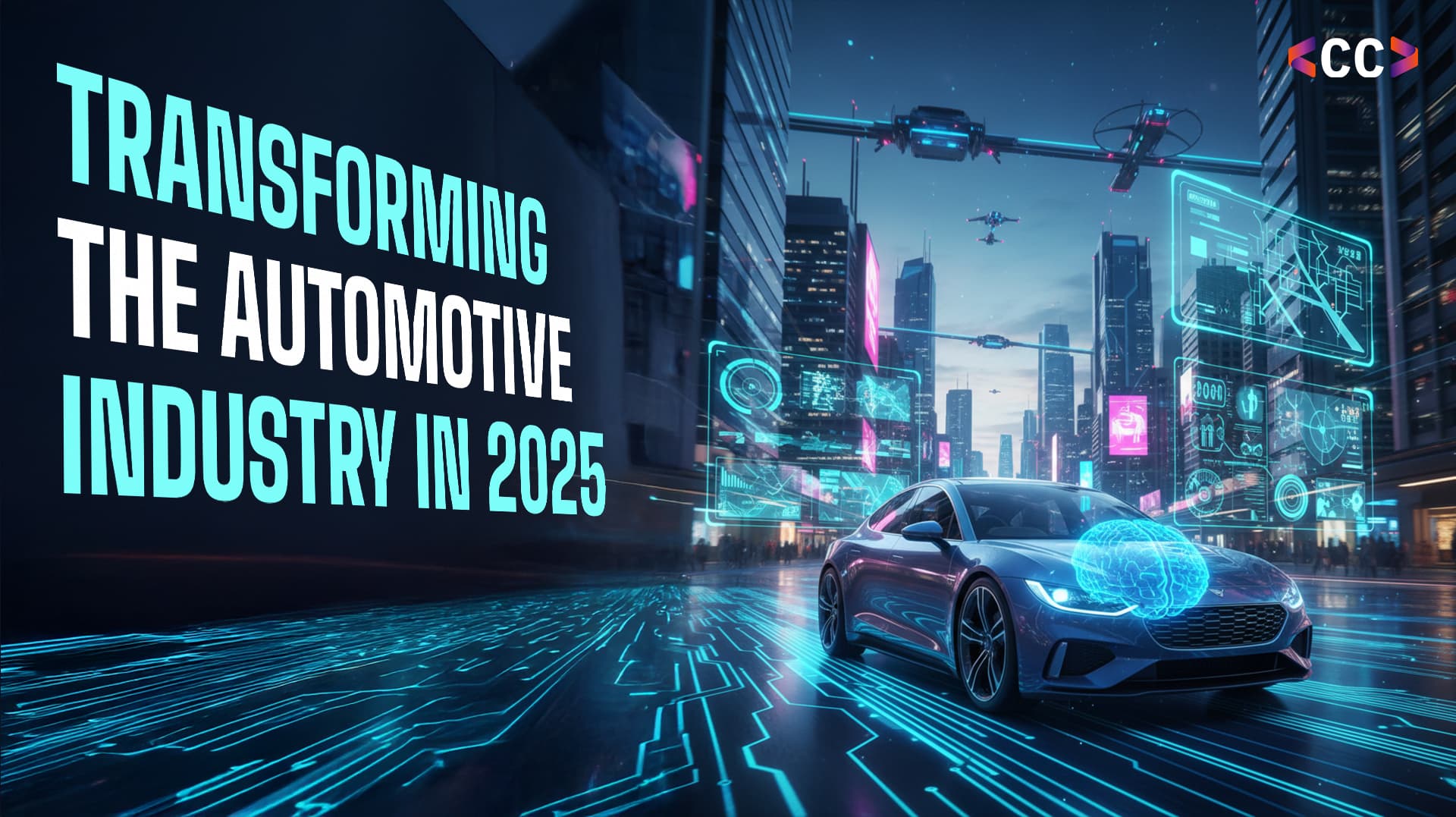
Artificial intelligence is no longer a futuristic promise it is actively reshaping how vehicles are designed, built, driven, and maintained. From autonomous driving to predictive analytics, AI in the automotive industry is creating faster, safer, and smarter mobility solutions. As automakers transition toward intelligent digital ecosystems, technology companies including digital transformation partners like ChainCode Consulting are contributing to scalable, secure, and data-driven automotive applications that power the next generation of mobility.
What AI Really Means for the Automotive Industry: A Simple, Clear Breakdown
AI in the automotive world refers to intelligent systems embedded within vehicles that can analyze surroundings, make decisions, and perform tasks traditionally done by humans. These systems rely on:
- High-precision sensors
- Cameras & LiDAR
- Machine learning models
- Real-time data analytics
Together, they enable vehicles to detect obstacles, interpret road signs, monitor driver behavior, predict risks, and even manage internal systems like battery efficiency or engine performance.
In simpler terms:
Automotive AI = Smarter vehicles that think, react, and assist making driving safer, smoother, and more intuitive.
Modern vehicles now use AI for everything from voice-activated controls and driver monitoring to real-time hazard prediction pushing us closer to a future where cars are intelligent companions rather than mechanical machines.
Top AI Applications in Modern Vehicles: From Driver Assistance to Full Autonomy
Artificial intelligence powers many of the groundbreaking features in today’s cars. Here are the most impactful:
1. Autonomous Driving Systems
Self-driving vehicles use deep learning and sensor fusion to navigate, detect pedestrians, avoid obstacles, and make split-second decisions. This is the most advanced (and transformative) AI application in the automotive sector.
2. Advanced Driver Assistance Systems (ADAS)
AI enhances safety through innovations such as:
- Adaptive Cruise Control
- Lane-Keeping Assist
- Automatic Emergency Braking
- 360° Parking Assistance
These systems significantly reduce human error and fatigue.
3. Predictive Maintenance
AI analyzes real-time sensor data to predict mechanical failures before they occur.
This results in:
- Fewer breakdowns
- Lower maintenance costs
- Improved vehicle lifespan
Predictive analytics is an area where technology firms like ChainCode Consulting specialize supporting enterprises with data-driven systems built to optimize reliability and uptime.
Overall, AI applications in cars are moving us toward safer roads and smarter driving experiences.
AI in Automotive Manufacturing: How Factories Are Becoming Smarter & Faster
Behind every new vehicle is a manufacturing process undergoing rapid transformation with AI.
Smart Production Lines
AI-driven robots and automated systems handle welding, painting, assembly, and inspection with unmatched speed and precision.
Automated Quality Control
Machine vision systems detect defects in real-time many of which humans might miss ensuring flawless production quality.
AI-Powered Supply Chain Optimization
AI forecasts demand, tracks inventory, manages logistics, and solves bottlenecks before they impact production.
This shift toward Industry 4.0 is enabling manufacturers to build vehicles faster, more accurately, and more cost-effectively.
How AI Enhances Road Safety, Traffic Flow & Fuel Efficiency
AI is redefining on-road experiences with smarter, safer, and more eco-friendly mobility.
1. Collision Prevention & Hazard Detection
Using cameras and sensors, AI predicts risks and automatically intervenes making roads significantly safer for all users.
2. Real-Time Traffic Optimization
AI analyzes traffic data to:
- Suggest faster routes
- Predict congestion
- Improve overall city mobility
3. Environmental & Fuel Efficiency Improvements
AI optimizes driving patterns, engine performance, and battery usage, resulting in:
- Lower fuel consumption
- Reduced emissions
- Longer EV battery life
These advances contribute to cleaner, greener transportation systems worldwide.
Connected Cars & IoT: The Backbone of Smart Mobility Powered by AI
The future of vehicles is interconnected. AI, combined with IoT, enables a highly responsive and connected mobility ecosystem.
✔ Vehicle-to-Everything (V2X) Communication
Cars can now communicate with:
- Other vehicles
- Traffic signals
- Smart city infrastructure
- Pedestrian systems
This reduces accidents and optimizes traffic flow.
✔ IoT-Driven Vehicle Diagnostics
Connected sensors continuously monitor:
- Vehicle health
- Component performance
- Driver patterns
Brands use this data to send alerts, schedule maintenance, and offer personalized driving insights.
✔ Personalization & Infotainment
AI tailors seat settings, entertainment preferences, climate control, and navigation creating a seamless digital cabin experience.
Companies focusing on intelligent mobility, such as ChainCode Consulting, support automotive enterprises in adopting next-gen connected systems that enhance both user experience and vehicle performance.
The Future of Automotive AI: Key Trends That Will Shape 2025 and Beyond
As the automotive industry accelerates into the next decade, these trends will dominate:
1. Autonomous EVs (Electric + Self-Driving)
AI will optimize battery performance, driving decisions, and energy usage making EVs more reliable and autonomous than ever.
2. AI-Optimized Urban Mobility Systems
Cities will use AI to improve parking, traffic flow, and public transportation integration.
3. Hyper-Personalized Vehicle Experiences
Cars will learn driver habits, preferences, and even emotional states delivering tailored experiences.
4. AI-Driven Vehicle Ecosystems
Vehicles will operate as intelligent nodes in a broader mobility network, powered by data-driven systems and secure digital infrastructure.
5. Enhanced V2X & Infrastructure 2.0
Roads, signals, signs, and vehicles will communicate in real-time reducing collisions and improving traffic management.
The next era of automotive innovation will depend heavily on scalable AI solutions, secure digital systems, and strong technology partnerships.
Conclusion: Why Embracing AI Is Essential for the Future of Mobility
Artificial intelligence has become the driving force behind safer, smarter, and more sustainable transportation. From autonomous driving and predictive maintenance to smart manufacturing and connected cars, AI is redefining the automotive ecosystem at every level.
As automotive brands plan their next steps, the need for reliable digital transformation partners becomes crucial. Firms like ChainCode Consulting, with expertise in AI, IoT, blockchain, and enterprise-grade tech solutions, support businesses in building secure, intelligent, and future-ready mobility systems.
The road ahead is clear:
AI isn’t just influencing the automotive industry, it’s revolutionizing it.
Now is the time to adopt intelligent mobility solutions and accelerate toward a smarter automotive future