
Blockchain
3 months ago
Smart Contracts in Real Estate: How Blockchain Is Reshaping Property Transactions
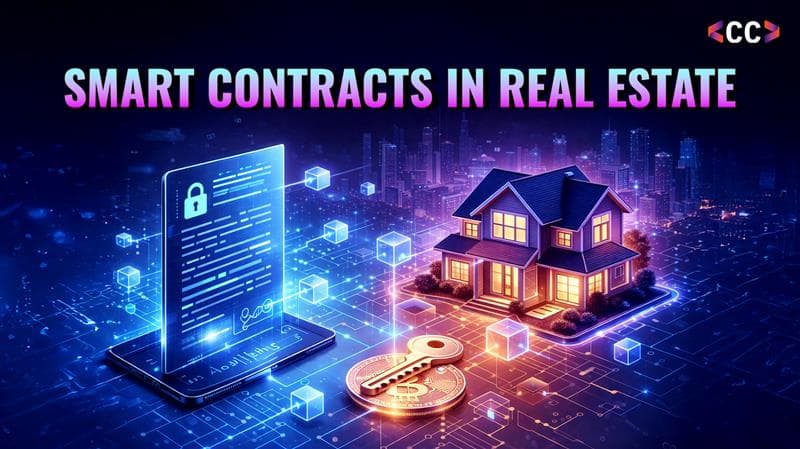
Why Real Estate Is Rapidly Moving Toward Blockchain Automation
The real estate industry has traditionally been burdened by paperwork, intermediaries, and slow transaction cycles. From title verification to escrow management, property deals often take weeks—sometimes months—to complete. Today, however, blockchain technology is changing this reality.
At the center of this transformation are smart contracts in real estate—self-executing digital agreements that automate property transactions with accuracy, transparency, and security. As buyers, sellers, developers, and investors look for faster and more reliable ways to transact, smart contracts are emerging as a foundational technology for modern real estate operations.
What Are Smart Contracts in Real Estate and How Do They Work?
A smart contract is a self-executing digital agreement built on blockchain technology, where contract terms are written directly into code. In real estate, smart contracts automatically execute actions—such as releasing funds or transferring ownership—once predefined conditions are met.
For example, when payment confirmation, title verification, and regulatory checks are completed, the smart contract triggers the property transfer automatically. No brokers, no manual approvals, and no delays.
Because these contracts operate on decentralized blockchain networks, every transaction is immutable, transparent, and tamper-proof, ensuring trust between buyers and sellers without relying heavily on intermediaries.
Key Benefits of Smart Contracts for Real Estate Transactions
Faster Property Closings With Automated Execution
Smart contracts drastically reduce transaction timelines by automating approvals, payments, and ownership transfers. What once took weeks can now be completed in hours—sometimes minutes—once conditions are fulfilled.
Enhanced Security and Fraud Prevention
Blockchain-based smart contracts eliminate single points of failure. Each transaction is cryptographically secured and recorded on an immutable ledger, significantly reducing risks of fraud, document manipulation, or unauthorized changes.
Full Transparency Across Property Deals
All stakeholders can view transaction progress in real time. This transparency builds trust, reduces disputes, and ensures every party adheres strictly to agreed-upon terms.
Lower Transaction Costs and Reduced Intermediaries
By automating escrow services, verification steps, and documentation, smart contracts reduce dependency on multiple intermediaries—cutting costs for buyers, sellers, and agencies alike.
Real-World Use Cases of Smart Contracts in the Real Estate Industry
Property Tokenization and Fractional Ownership
Smart contracts enable real estate tokenization, allowing properties to be divided into digital tokens. Investors can own fractional shares of assets, increasing liquidity and opening real estate investment to a broader audience.
Automated Rental and Lease Agreements
Rental agreements powered by smart contracts automate rent collection, security deposits, renewal clauses, and penalty enforcement—reducing administrative overhead for landlords and property managers.
Blockchain-Based Escrow and Settlement
Smart contracts act as decentralized escrow systems, securely holding funds until contractual obligations are met. Once conditions are satisfied, payments and ownership transfers occur automatically—without third-party delays.
Legal and Regulatory Considerations for Smart Contracts in Real Estate
While smart contracts offer powerful automation, legal compliance remains essential. Regulatory frameworks for blockchain-based real estate transactions vary across regions, and enforceability depends on local property and contract laws.
Many jurisdictions are beginning to recognize smart contracts as legally binding, provided they meet existing legal requirements such as identity verification, auditability, and consent. Collaborating with blockchain specialists who understand regulatory nuances ensures contracts remain compliant while leveraging automation benefits.
Responsible adoption—balancing innovation with legal clarity—is key to long-term success in blockchain-powered real estate.
How Real Estate Businesses Can Start Using Smart Contracts Today
Adopting smart contracts doesn’t require a complete operational overhaul. Real estate businesses can begin with smaller use cases, such as digitized lease agreements or automated escrow processes.
Selecting the right blockchain platform, ensuring system interoperability, and working with experienced blockchain development teams can help agencies transition smoothly. Many forward-thinking real estate firms already partner with blockchain consulting providers to design scalable, compliant smart contract solutions aligned with their business goals.
As blockchain adoption grows, early movers gain a competitive edge through faster deals, lower costs, and increased client trust.
The Future of Real Estate: Why Smart Contracts Are Becoming Essential
Smart contracts are no longer experimental—they are becoming a strategic necessity. As buyer expectations evolve and digital trust becomes critical, blockchain-powered real estate transactions will soon become the industry standard.
For buyers, smart contracts mean transparency, security, and faster ownership transfers. For sellers and agencies, they mean efficiency, reduced risk, and operational scalability. Businesses that embrace this shift today are positioning themselves for long-term relevance in a rapidly digitizing market.
Future-Proof Your Real Estate Operations With Smart Contracts
Smart contracts are fundamentally redefining how real estate transactions are executed. By combining automation, transparency, and security, they eliminate inefficiencies that have long plagued the industry.
Whether it’s property sales, rentals, escrow management, or tokenized investments, blockchain-driven smart contracts offer a clear path toward faster, safer, and more cost-effective real estate operations.
The future of real estate is digital, automated, and decentralized—and smart contracts are leading the way.