
Blockchain
3 months ago
Natural Language Processing: How Businesses Are Redefining Intelligence Through Human Language
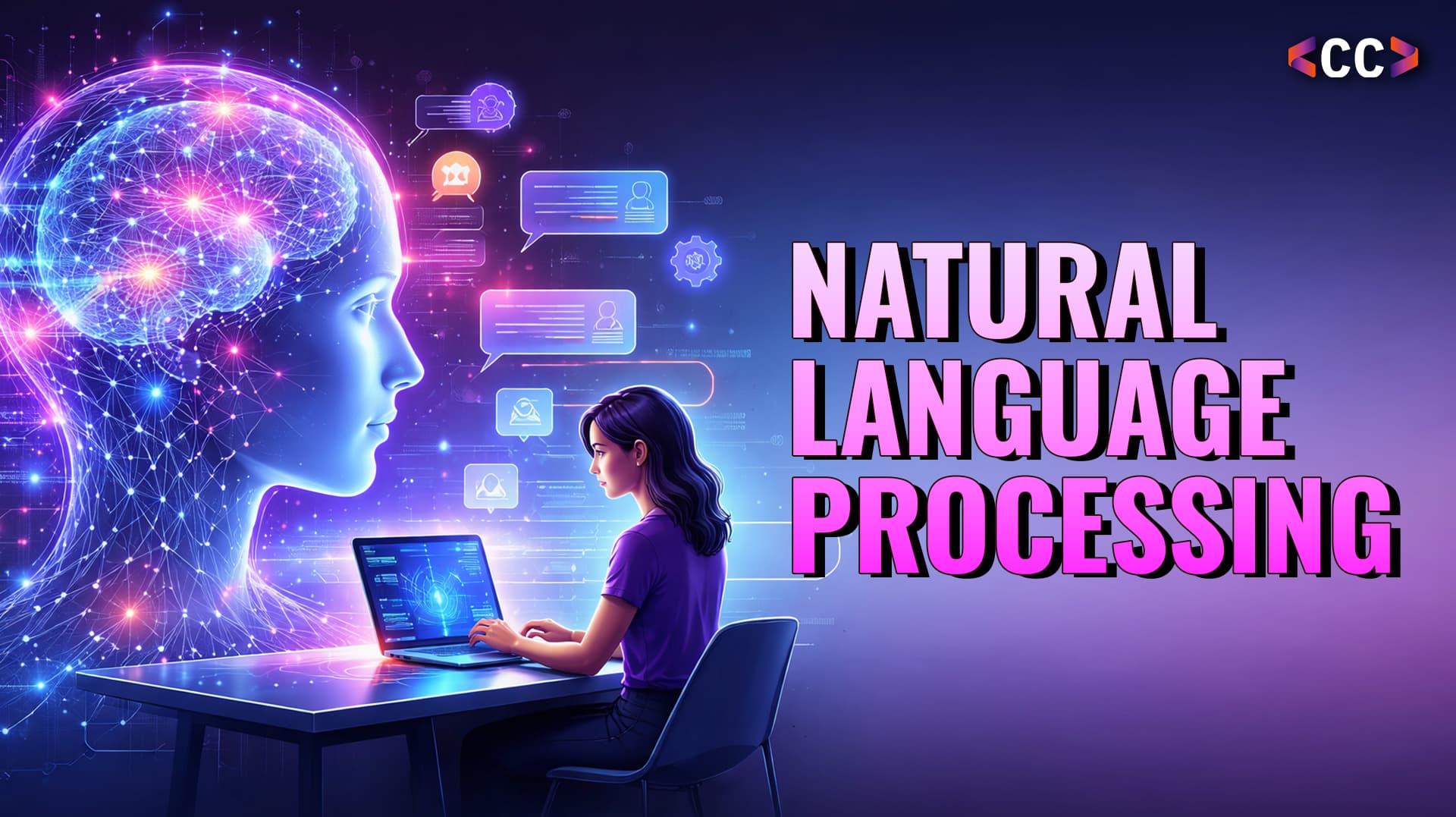
What Is NLP and Why It Matters More Than Ever
NLP is one of the most transformative branches of artificial intelligence, enabling machines to understand, interpret, and respond to human language in a meaningful way. At its core, NLP bridges the communication gap between humans and machines—turning text and speech into structured data that systems can analyze and act upon.
The growing importance of NLP is evident in everyday applications such as voice assistants, chatbots, search engines, and recommendation systems. Businesses rely on NLP to process vast volumes of unstructured data, extract insights, and automate communication at scale.
As organizations move toward data-driven decision-making, NLP is no longer optional—it has become a foundational technology for intelligent digital systems.
How NLP Works Behind the Scenes
Understanding how NLP works requires looking at the combination of linguistics, machine learning, and deep learning models that power it. NLP systems break down human language into smaller components such as tokens, phrases, syntax, and semantics.
Through natural language understanding, NLP analyzes sentence structure, detects intent, identifies entities, and interprets context. Advanced NLP models also account for ambiguity, sentiment, and linguistic variations across regions and cultures.
Speech recognition further extends NLP) by converting spoken language into machine-readable text. Machine learning in NLP allows systems to continuously improve by learning from new data, refining accuracy, and adapting to evolving language patterns.
Together, these technologies make NLP a powerful engine for intelligent automation and communication.
Real-World Applications of NLP in Business and Daily Life
NLP is already deeply embedded in modern digital experiences. One of the most common NLP use cases is conversational AI and chatbot technology. These systems understand customer queries, respond contextually, and provide instant support across industries.
Sentiment analysis powered by NLP helps businesses analyze customer feedback, social media conversations, and reviews. By understanding emotional tone, organizations gain valuable insights into customer satisfaction and brand perception.
Automated translation is another major application of NLP . It enables real-time multilingual communication, supporting global operations without language barriers. NLP also powers text summarization, allowing professionals to extract key insights from lengthy documents efficiently.
From healthcare and finance to e-commerce and logistics, NLP continues to reshape how organizations operate and interact with data.
Why Businesses Are Investing in NLP Solutions
The adoption of NLP offers measurable advantages for organizations seeking efficiency and innovation. One of the most significant benefits of NLP is enhanced customer support automation. AI-driven systems handle repetitive inquiries, reduce response times, and improve customer satisfaction.
NLP also enables organizations to unlock insights from unstructured data sources such as emails, reports, contracts, and customer feedback. By analyzing text at scale, NLP transforms raw data into actionable intelligence.
Operational efficiency improves through AI-driven text analytics, document classification, and compliance monitoring. As a result, NLP helps businesses reduce costs, improve accuracy, and make informed decisions faster.
Challenges and Ethical Considerations in NLP
Despite its capabilities, NLP comes with challenges that organizations must address responsibly. One limitation of NLP is its difficulty in fully understanding sarcasm, cultural nuances, and contextual subtleties.
Bias in NLP models is another critical concern. Since models learn from existing data, they may inherit biases present in language usage. Addressing bias requires continuous monitoring, diverse training datasets, and ethical AI practices.
Data privacy is also a major consideration in NLP applications. Many systems process sensitive information, making robust data governance and security frameworks essential.
Responsible implementation ensures that NLP delivers value without compromising fairness, transparency, or trust.
The Future of NLP : What Lies Ahead
The future of NLP is being shaped by advances in generative AI, large language models, and deep learning architectures. These innovations are enabling NLP systems to generate more human-like responses, understand complex context, and adapt dynamically to user behavior.
Emerging NLP trends include emotion-aware AI, multilingual contextual understanding, and domain-specific language models. These developments are expanding the role of NLP across industries such as healthcare diagnostics, legal automation, and intelligent analytics.
As technology evolves, NLP will move beyond automation toward true language intelligence—reshaping how humans interact with machines.
Why NLP Is a Competitive Advantage Today
Organizations that adopt NLP early gain a significant competitive edge. By integrating NLP into digital platforms, businesses enhance customer experiences, improve operational agility, and extract deeper insights from data.
NLP enables smarter decision-making, faster response times, and scalable communication strategies. Companies that leverage NLP effectively are better positioned to adapt to market changes and customer expectations.
In an increasingly data-driven economy, NLP is not just a technological upgrade—it is a strategic investment.
Embracing NLP for Long-Term Growth
NLP is redefining how businesses communicate, analyze information, and deliver value. From customer engagement and automation to data intelligence and innovation, NLP has become a cornerstone of modern AI strategies.
Organizations that embrace NLP today are building resilient, intelligent systems prepared for the future. As language remains central to human interaction, NLP will continue to unlock new possibilities across industries.
The opportunity is clear: adopt NLP now to lead in tomorrow’s intelligent digital landscape.