
Blockchain
3 months ago
Blockchain in Healthcare Explained: How It’s Securing Patient Data and Transforming Care Delivery
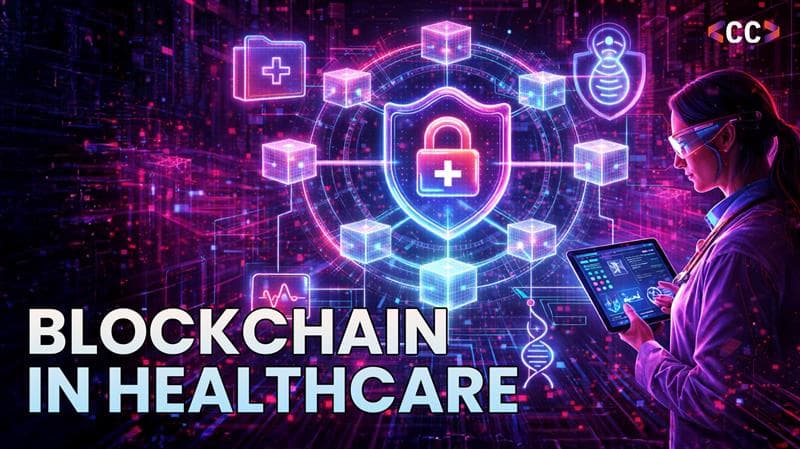
Why Blockchain Is Becoming Critical for the Future of Healthcare
Healthcare systems across the world are under pressure—rising data breaches, fragmented patient records, and growing demands for transparency are exposing the limits of traditional IT infrastructure. As digital health adoption accelerates, blockchain in healthcare is emerging as a foundational technology to restore trust, security, and efficiency.
At its core, blockchain enables secure, tamper-proof, and transparent data exchange, making it uniquely suited for managing sensitive patient information. For healthcare providers navigating digital transformation, blockchain is no longer experimental—it’s becoming essential infrastructure for modern patient care.
Blockchain Technology in Simple Terms: What Healthcare Leaders Need to Know
Blockchain is a form of distributed ledger technology (DLT) where data is stored across a network of computers rather than in a single centralized database. This decentralized architecture ensures that healthcare records are resilient, auditable, and resistant to unauthorized manipulation.
Each medical record update or transaction is stored as a “block” and cryptographically linked to previous entries, creating an immutable chain of data. Once information is added, it cannot be altered without network consensus—making blockchain ideal for medical data integrity and compliance.
For healthcare organizations, this means:
- Stronger protection of electronic health records (EHRs)
- Secure sharing of patient data between authorized stakeholders
- Reduced dependency on fragmented, siloed systems
The Core Benefits of Blockchain in Healthcare Systems
The adoption of blockchain technology unlocks several high-impact advantages for healthcare providers and patients alike.
Enhanced Healthcare Data Security
Blockchain’s cryptographic design significantly reduces the risk of data breaches and unauthorized access, addressing one of healthcare’s biggest vulnerabilities.
True Interoperability Across Providers
Blockchain enables seamless data exchange between hospitals, labs, insurers, and pharmacies—breaking down silos and improving care coordination.
Immutable Medical Records
Once recorded, patient data remains unchanged and fully traceable, ensuring long-term data accuracy and trust.
Greater Transparency and Patient Trust
Patients gain visibility into who accesses their medical data and why—supporting patient-centric care models.
Together, these benefits create a more secure, efficient, and collaborative healthcare ecosystem.
Real-World Blockchain Use Cases in Healthcare Today
Blockchain is already delivering value across multiple healthcare functions:
Electronic Health Records (EHRs)
Blockchain-based EHR systems allow patients and providers to access a single, trusted version of medical history—reducing duplication and errors.
Pharmaceutical Supply Chain Tracking
By recording every step of a drug’s journey, blockchain helps prevent counterfeit medicines and improves patient safety.
Clinical Trials Transparency
Immutable records ensure research data integrity, improving trust, compliance, and reproducibility in clinical studies.
Patient Consent Management
Smart contracts automate consent permissions, allowing patients to control data access securely and in real time.
Medical Billing and Fraud Prevention
Blockchain’s transparent transaction history makes detecting fraudulent claims faster and more accurate.
These applications demonstrate how blockchain moves beyond theory into practical healthcare transformation.
What’s Slowing Blockchain Adoption in Healthcare—and How It’s Being Solved
Despite its promise, blockchain adoption in healthcare faces real challenges.
Regulatory and Compliance Complexity
Healthcare data must comply with strict regulations such as HIPAA and global privacy laws. Blockchain solutions must be designed with compliance-by-design principles.
Scalability and Performance
Healthcare generates massive volumes of data. Modern blockchain architectures and hybrid models are addressing scalability concerns effectively.
Integration with Legacy Systems
Many hospitals rely on older systems. Interoperable blockchain layers and APIs now allow gradual, non-disruptive integration.
Stakeholder Readiness
Education and clear ROI are key to gaining buy-in from clinicians, administrators, and patients.
Organizations that work with experienced blockchain partners are overcoming these barriers faster and with lower risk.
The Future of Healthcare: Patient-Centric, Data-Driven, and Blockchain-Enabled
Looking ahead, blockchain is set to power some of the most important shifts in healthcare innovation.
Personalized and Precision Medicine
Secure data sharing enables more accurate, personalized treatment plans based on complete patient histories.
Patient-Owned Health Data
Blockchain supports models where patients control access to their data—strengthening trust and autonomy.
Global Healthcare Collaboration
Blockchain can enable secure cross-border data sharing for research, outbreak monitoring, and public health initiatives.
As healthcare systems evolve, blockchain will play a central role in building resilient, transparent, and patient-first ecosystems.
Why Blockchain Is No Longer Optional in Healthcare
The healthcare industry is at a turning point. Rising cybersecurity threats, fragmented data systems, and growing patient expectations demand a new approach—and blockchain offers a proven path forward.
By adopting blockchain, healthcare organizations can strengthen data security, improve interoperability, reduce fraud, and deliver better patient outcomes. Forward-looking technology partners, including firms like ChainCode Consulting, are already helping healthcare providers explore and implement blockchain solutions responsibly and at scale.
The question is no longer if blockchain will shape healthcare—but how soon organizations choose to act. Those who embrace it today will lead the next generation of safer, smarter, and more trusted healthcare systems.